Parameter
-
Resistance classes
-
Standards
-
Formats
-
Fire
-
Indoor air
-
Cleaning
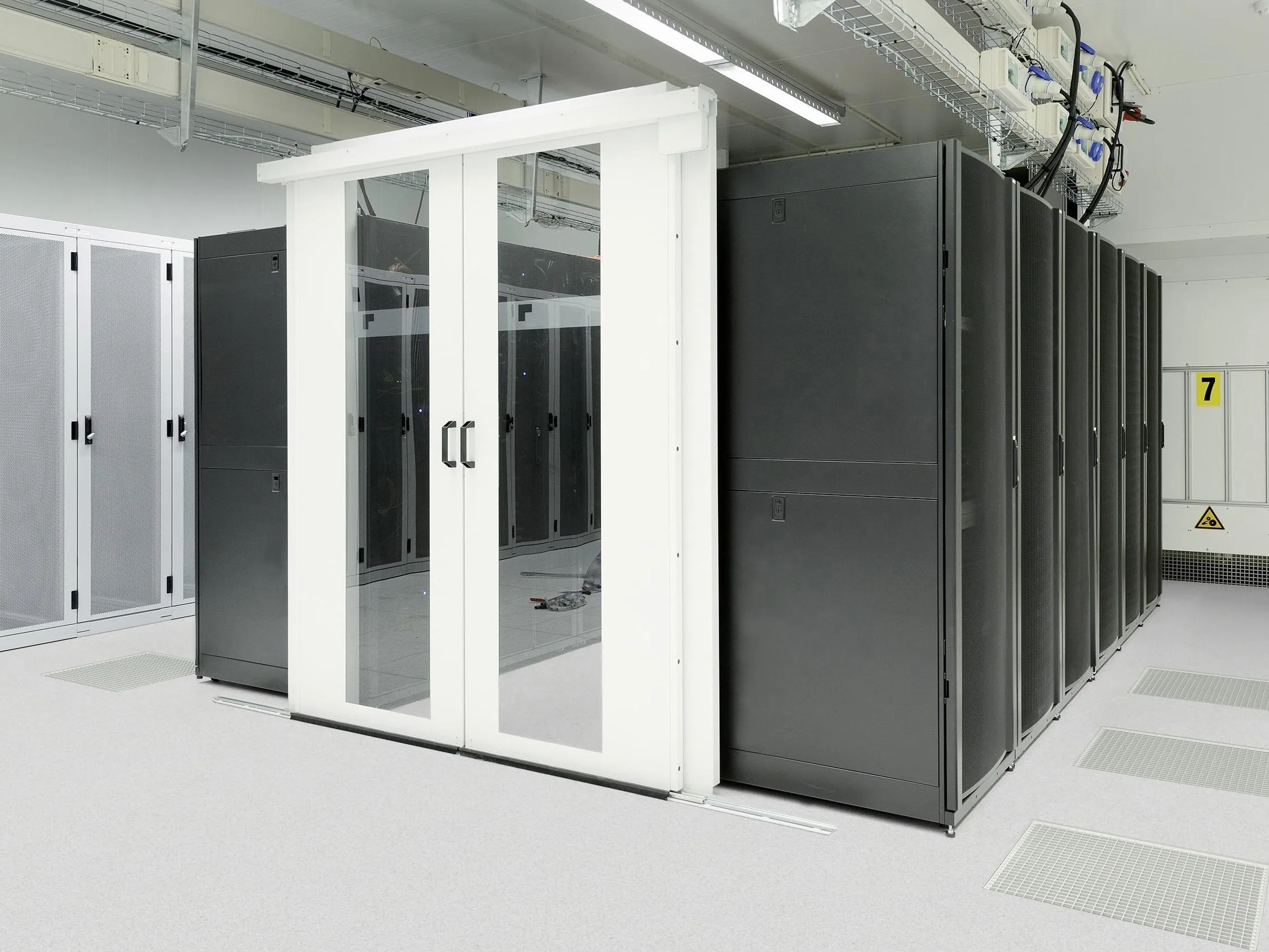
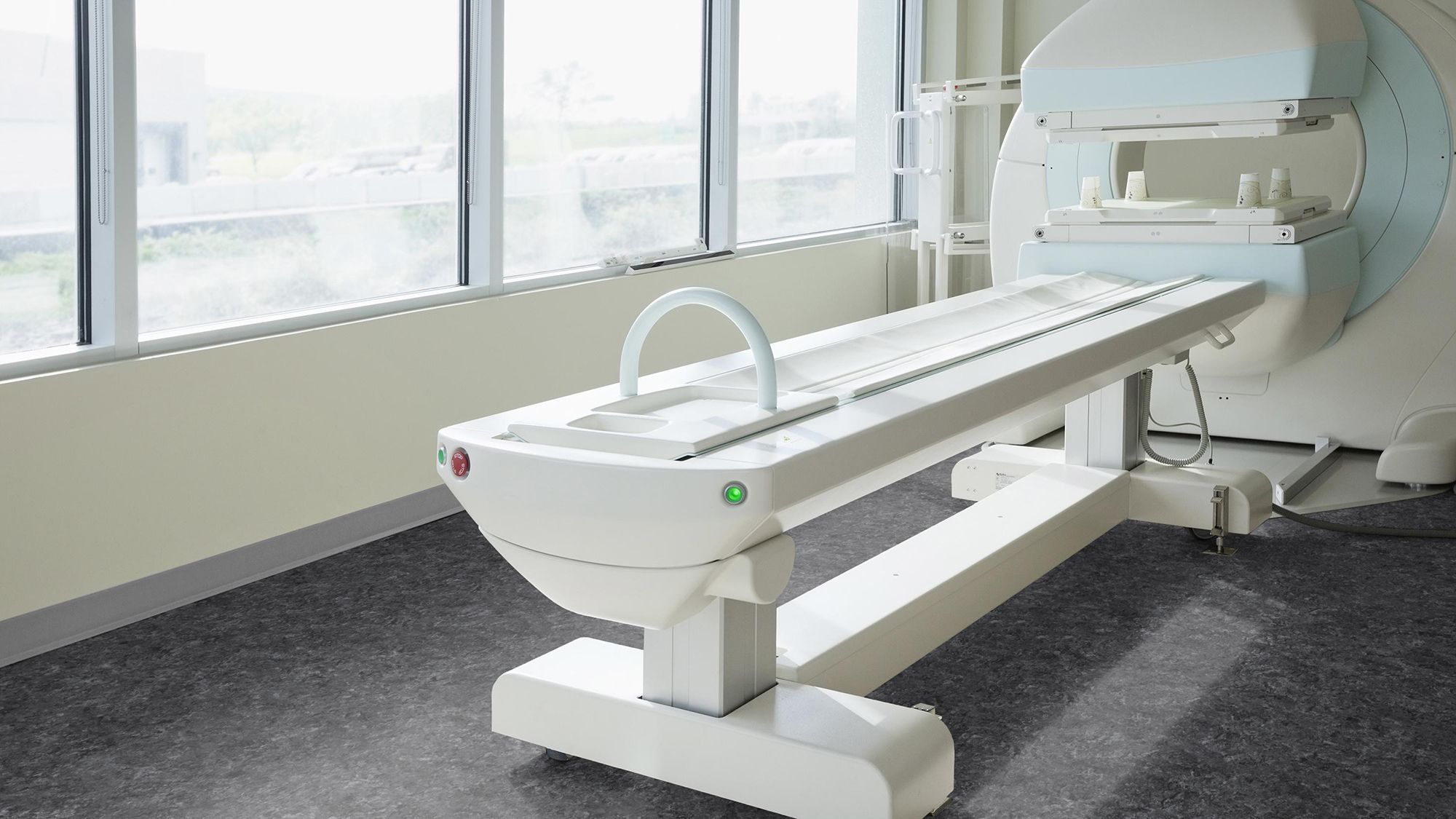
Static Control flooring manages electrostatic discharge (ESD) by safely dissipating charges through a defined resistance range, protecting sensitive electronics and improving safety in labs, cleanrooms, electronics manufacturing, data/IT spaces, diagnostic imaging, operating theatres and pharmacies.
We supply materials only to B2B clients. Installation and earthing are performed by your appointed ESD‑qualified contractor and electrical team to the system manual and standards.
Conductive/ESD floorcovering (tiles or sheet) with carbon networks/veins.
Copper tape grid bonded to subfloor/adhesive layer.
ESD‑rated conductive adhesive.
Earthing points & hardware to connect the grid to building earth.
Accessories: skirtings, transitions, ESD floor finishes where specified.
Confirm exact resistance bands, test methods and certification paths for your jurisdiction and client QA.
Resistance classes
Standards
Formats
Fire
Indoor air
Cleaning
Dissipative (10^6–10^9 Ω), Conductive (10^4–10^6 Ω)—verify per product
IEC 61340 series; ANSI/ESD S20.20 program requirements
Tiles (easier replacement) and sheet (fewer seams)
Typically Bfl‑s1 (verify DoP/test)
Low VOC; EPD/LCA on request
ESD‑compatible cleaners/finish; avoid insulating polishes
Quick Comparison
Electronics assembly & test
Labs, pharmacies, healthcare
Server/IT & data spaces
Conductive (10^4–10^6 Ω)
Dissipative (10^6–10^9 Ω)
Dissipative
Faster charge removal
Balanced discharge without spark risk
Minimizes ESD while avoiding over‑conductivity
Subfloor prep to specification; verify moisture and flatness.
Lay conductive adhesive and embed copper tape grid (per spacing guide).
Install ESD tiles/sheet observing arrow/batch orientation.
Create earthing connections at designated points; label and test.
Commissioning tests: surface resistance, point‑to‑ground, and body voltage per standard.
Handover as‑built drawings, resistance logs and maintenance guide.
Quick Comparison
Resistance control
Earthing
Cleanrooms
Replacement
Best use
Defined (10^4–10^9 Ω)
Copper grid \+ earthing points
Suitable (product‑dependent)
Tiles enable spot swap
Electronics, labs, imaging
Typically static‑dissipative finishes only
Not typical
Rare
Tile swap
Offices with static concerns
No
No
No
Sheet patch/weld
General areas
Footwear & furniture: ensure ESD‑compatible castors/feet; manage chair mats that may insulate.
ESD program: integrate flooring with wrist straps, garments, mats and workstations under ANSI/ESD S20.20.
Transitions: maintain continuity to grounded areas; isolate non‑ESD zones as needed.
Colour & zoning: use contrasting borders around EPA (ESD Protected Areas) for visual control.
Materials‑only supply. Installation by your contractor/installer.
project tile sets/sheet rolls plus copper tape & earthing kits.
stock vs made‑to‑order colours/formats.
datasheets, DoP/DoC, resistance tests, EPD/LCA on request.
tiles/sheet swatches.
spec text, EPA zoning diagrams, maintenance guides.
Here you'll find answers to the most common questions about static control.
Conductive (10^4–10^6 Ω) is common; confirm with your process ESD plan and instrumentation.
Via a copper tape grid connected to earthing points tied to building earth, tested at handover.
Use only ESD‑approved finishes; avoid insulating polishes that raise resistance beyond spec.
Tiles allow spot replacement; sheet reduces seams in clean zones—choose per layout and hygiene needs.
No—materials only. Installation and earthing are performed by your appointed ESD contractor.