Parameter
-
Slip classification
-
Surface
-
Format
-
Seams & hygiene
-
Thickness
-
Fire
-
Chemical/grease
-
Indoor air
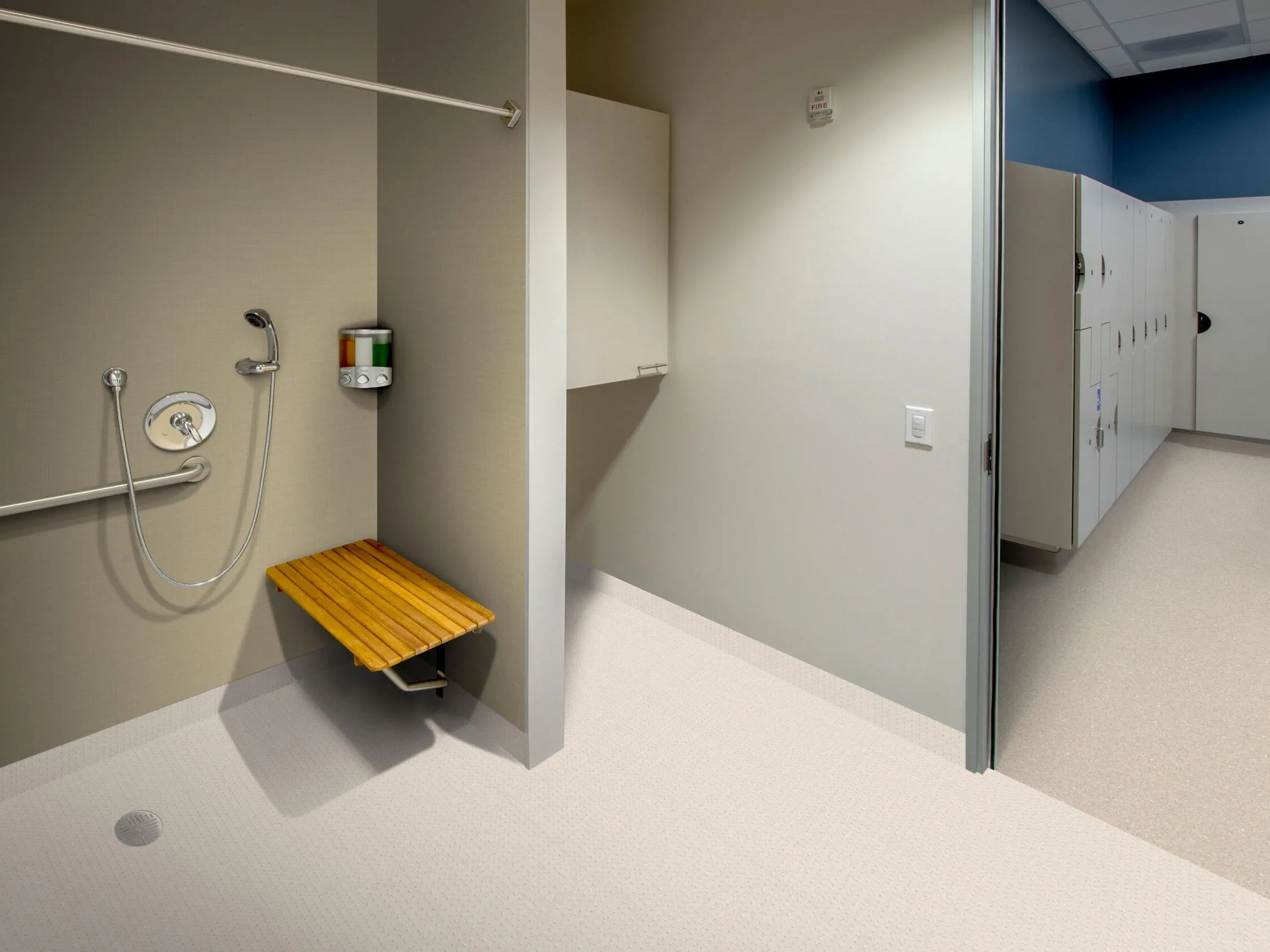
Safety Floors are slip‑resistant resilient surfaces engineered for wet, greasy or contaminant‑prone zones. They combine textured surfaces with embedded aggregates/particles to maintain traction under challenging conditions.
We supply materials only to B2B clients (distributors, contractors, developers, architects, facility owners). Installation by your appointed contractor per system manual and local code.
Typical areas: commercial kitchens, ramps, service corridors, wet entries, food prep, back‑of‑house, locker rooms, accessible bathrooms (system‑dependent).
Always confirm the exact R‑rating and test method for your jurisdiction (datasheet/DoP/installation manual).
Slip classification
Surface
Format
Seams & hygiene
Thickness
Fire
Chemical/grease
Indoor air
R10–R12 (ramp test), wet pendulum ratings per line
Textured with embedded particles for wet/greasy traction
Rolls (sheet); some tile options exist
Hot‑welded seams; coved skirtings/upstands for wash‑down
2.0–2.5 mm common (verify per SKU)
Typically Bfl‑s1 (verify DoP/test)
Designed for grease/cleaner exposure (see datasheet)
Low VOC; certificates on request
Selection Guide
Wet/greasy traction
Joints & hygiene
Comfort & impact
Maintenance
Installation speed
Best use
Highest (R10–R12)
Welded seams + coving
Resilient underfoot
Low OPEX (no grout)
Fast (sheet)
Kitchens, ramps, wet entries
Medium
Welded seams + coving
Resilient
Low
Fast
Classrooms, admin, wards
High (with structured tiles)
Grout lines (maintenance‑heavy)
Hard underfoot
Higher (grout sealing/cleaning)
Slower (tile setting/curing)
Front‑of‑house wet rooms, pools (tile spec)
Coving/upstands: form coved skirtings and upstands to create wash‑down envelopes; use preformed corners.
Drain & falls: coordinate with drain types and ensure falls to waste; place seams away from splash zones.
Transitions: plan threshold trims to smooth/safe floors (vinyl/LVT/linoleum).
Cleaning: specify compatible detergents/degreasers; avoid polish that could reduce slip.
Colour strategy: use visual contrast for hazard edges and wayfinding; matte/low‑glare finishes reduce reflections.
Aim for R11–R12 ranges; ensure heat/grease‑resistant adhesives and steam‑clean compatible welding.
Accessible bathrooms and service kitchens benefit from slip control and coved wash‑down detailing.
Wet entries, ramps and canteen back‑of‑house—use safety floors; coordinate with matting strategy at doors.
Subfloor prep: moisture control and smoothing; safety textures telegraph irregularities.
Adhesives: use approved high‑grab/grease‑resistant adhesives; respect open times and conditions.
Seam welding: hot‑weld using compatible rods; test seams in kitchens and wet zones.
QA checks: slip test acceptance where required; verify R‑rating and pendulum performance on handover.
Materials‑only supply. Installation by your contractor/installer.
project rolls and accessories (welding rods, coving, corners, drains).
stock vs made‑to‑order colours.
datasheets, DoP/DoC, slip/fire tests, EPD on request.
texture chips/boards.
spec text, detail drawings, maintenance guides.
Here you'll find answers to the most common questions about safety floors.
Typically R11–R12; confirm with local code and your risk assessment.
Yes—choose wetroom‑approved safety floors with welded seams, coved upstands and compatible drains.
Use approved degreasers and mechanical scrubbers; textures are designed for cleanability when maintained correctly.
Some lines use micro‑texture without visible particles; verify test data for wet performance.
No—materials only. Installation is by your appointed contractor.